What Did the Eastern Jin Rely On to Win the Battle of Fei River?
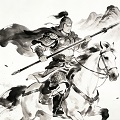
The Battle of Fei River in 383 CE is remembered as one of the most unexpected wins in Chinese military history because the Eastern Jin, with only around 80,000 fighters, managed to defeat the Former Qin force that numbered over 800,000 men.
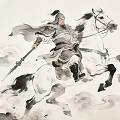
The Battle of Fei River in 383 CE is remembered as one of the most unexpected wins in Chinese military history because the Eastern Jin, with only around 80,000 fighters, managed to defeat the Former Qin force that numbered over 800,000 men.
Strong Leadership and Clear Command
A key reason the Jin side succeeded was that their leaders worked well together and had a clear plan. Xie An, who held high office back in the capital, stayed calm and gave steady support, while his nephews Xie Shi and Xie Xuan led the army on the ground with good coordination and mutual trust, which kept their forces focused and ready. In contrast, Fu Jian of the Former Qin had quickly gathered a huge but mixed group of soldiers from many recently conquered regions, and since these groups didn’t really believe in his cause or trust each other, his army lacked the unity needed to fight effectively.
Smart Use of Trickery in Battle
The Jin commanders also won by using clever tricks to create confusion in the enemy ranks. When Jin messengers asked Fu Jian to move his troops back a bit so they could cross the river and start a fair fight, he agreed—but as soon as the massive Qin army began pulling away from the riverbank, Jin scouts spread rumors that the Qin were already losing. This caused panic among soldiers who didn’t know each other well and didn’t fully trust their fellow fighters, and when the Jin cavalry charged in right after, the whole Qin line broke apart as men ran in every direction, often stepping on or knocking over their own comrades in the chaos.
High Morale and Strong Motivation
Another big advantage for the Jin was that their soldiers were fighting to defend their homes, families, and way of life, which gave them real determination and courage. On the other hand, many of the Qin troops had been forced into service or came from places that had just been taken over, so they had little personal reason to risk their lives for Fu Jian’s goals—and some even switched sides during the battle. Xie An also helped keep people calm by acting relaxed during the crisis; for example, he kept playing a quiet game of weiqi while waiting for news from the front, which sent a message of confidence to both officials and ordinary citizens.
Good Use of Location and Supplies
The Jin also made smart use of the land: the Fei River acted like a natural wall that protected them, and by making the enemy cross first, they got to decide when and how the battle would start. Plus, because they were fighting close to home, they knew the area well and could get food and weapons to their troops more easily. The Qin army, however, was so large and had marched such a long distance that its supply lines were stretched thin, leaving many soldiers tired, hungry, and less ready to fight—even though they had far more people on paper.
Conclusion
In the end, the Eastern Jin won not because they had more soldiers, but because they had better leadership, smarter moves on the battlefield, higher spirits among their troops, and a better understanding of the land and logistics. Their success stopped the Former Qin from pushing further south and helped keep southern Chinese society and culture alive for hundreds of years.