Who was the longest-living emperor?
Of all the emperors known in history, the one who lived the longest was Emperor Qianlong of China’s Qing Dynasty, who was born on September 25, 1711, and passed away on February 7, 1799, at the age of 87 years and 145 days.
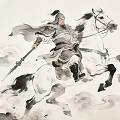
Of all the emperors known in history, the one who lived the longest was Emperor Qianlong of China’s Qing Dynasty, who was born on September 25, 1711, and passed away on February 7, 1799, at the age of 87 years and 145 days, which makes him the emperor with the longest confirmed lifespan based on reliable historical records.
Historical Background
Known by his personal name Hongli, Emperor Qianlong served as the fourth ruler of the Qing Dynasty—a regime that governed China from 1644 until 1912—and although his official time on the throne lasted from 1735 to 1796, he continued to hold real power even after giving the title to his son, the Jiaqing Emperor, by acting as Retired Emperor until his death in 1799, a move he made to keep his word not to reign longer than his grandfather, the Kangxi Emperor, whose 61-year rule he deeply respected.
Why He Lived So Long
During the eighteenth century, most people—including those in high social positions—rarely lived beyond their forties, so Qianlong reaching his late eighties was truly exceptional, and this was likely due to a combination of good family health, since both his father (the Yongzheng Emperor) and his grandfather (Kangxi) also enjoyed fairly long lives; a steady daily routine that included physical activities like hunting and traveling across his empire; regular mental exercise through writing poetry—he is linked to more than 40,000 poems—and practicing calligraphy; and access to top-quality care, as he had the best doctors of his time and ate carefully prepared meals designed to support his well-being.
How He Compares to Other Rulers
While several other monarchs reached old age, none matched Qianlong’s verified lifespan: for example, Japan’s Emperor Kōkaku (1771–1840) died at 68, Britain’s Queen Victoria (1819–1901) lived to be 81, and Austria’s Emperor Franz Joseph I (1830–1916) reached 86, falling just short of Qianlong’s record; although some ancient or legendary rulers like Japan’s Emperor Jimmu are said to have lived much longer, those accounts lack solid proof, whereas Qianlong’s birth and death dates are clearly documented in official Qing archives.
What His Long Life Meant for China
Qianlong’s time in power marked the peak of the Qing Empire’s strength and size, as China expanded to include Tibet, Xinjiang, and parts of Central Asia under his leadership, but as he grew older, serious problems began to appear, including rising corruption, overuse of military resources, and a strong unwillingness to accept new ideas or make changes, and because he remained in control for so long—even after stepping down—important reforms were put off, which helped lead to the dynasty’s weakening during the following century, meaning that his long life brought both great achievements and lasting difficulties.
Conclusion
Emperor Qianlong holds the record for the longest life among all emperors with solid historical evidence, having lived to 87 during a time of major change in both China and the wider world; his extended rule allowed him to build a powerful and vast empire, yet it also slowed down the adoption of necessary updates and responses to new challenges, showing that staying in power for a very long time can bring both success and trouble.