Why Did Qin Shi Huang Burn Books and Bury Scholars?
Qin Shi Huang, who ruled China as its first emperor from 221 to 210 BCE, is famous for bringing the country together under one rule, but he is also remembered for a deeply controversial act—the so-called burning of books and burying of scholars.
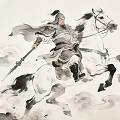
Qin Shi Huang, who ruled China as its first emperor from 221 to 210 BCE, is famous for bringing the country together under one rule, but he is also remembered for a deeply controversial act—the so-called “burning of books and burying of scholars.”
Historical Background
After Qin Shi Huang conquered the six rival states in 221 BCE, he faced the difficult job of uniting regions that had long followed their own customs, loyalties, and ways of thinking. During the centuries before—known as the Warring States period—many different schools of thought had taken root, including Confucianism, Daoism, Mohism, and Legalism. The Qin government strongly followed Legalism, which valued strict laws, harsh punishments, and total loyalty to the state. In contrast, Confucian scholars often spoke out against this approach, arguing that good rule should be based on virtue, tradition, and moral example rather than fear and force.
The Book-Burning Edict of 213 BCE
In 213 BCE, acting on advice from his top official Li Si—a firm believer in Legalist ideas—Qin Shi Huang ordered the destruction of certain writings that were seen as dangerous to unity. According to Sima Qian’sRecords of the Grand Historian, the banned materials included history books from states that Qin had defeated (because they might stir up old loyalties), classic Confucian works like theClassic of Poetry and theBook of Documents, and any texts that promoted philosophies conflicting with the state’s official views. However, practical books about farming, medicine, or predicting the future were not touched, and copies of the banned books were kept in the imperial library, which suggests the goal wasn’t to wipe out knowledge altogether but to stop ordinary people from reading and spreading ideas that could question the emperor’s authority.
The Scholar Executions of 212 BCE
Roughly a year after the book burning, the emperor ordered the killing of more than 460 people—traditionally said to have been buried alive, though modern historians doubt both the number and the method. What likely happened is that a group of court advisors, including alchemists and learned men, had promised Qin Shi Huang a potion for eternal life but failed to deliver; worse, some of them were caught secretly mocking him. Their deception and disloyalty probably led to their punishment. Although later stories labeled all the victims as Confucian scholars, many were actually involved in magic, fortune-telling, or other mystical practices. Still, when the Han Dynasty came to power, its writers used this event to paint Qin Shi Huang as a cruel ruler who hated wise and moral people.
Ideological Control as a Tool of Governance
These actions weren’t really about hating books or smart people—they were about keeping power. In a brand-new empire full of old divisions, stories from the past or teachings from rival schools could easily spark rebellion or doubt. By limiting access to certain texts and punishing those who spread opposing views, the emperor tried to make sure everyone followed the same rules and beliefs. This effort matched his other big changes, like creating one writing system, one set of weights and measures, one currency, and one legal code for the whole country—all aimed at making the empire easier to control and harder to break apart.
Historiographical Legacy
After the Qin Dynasty quickly collapsed, the Han Dynasty took over and made Confucianism the official philosophy. To show how much better they were than the Qin, Han scholars exaggerated the cruelty of Qin Shi Huang and turned the book burning and scholar killings into a symbol of tyranny. For centuries, this story was told as proof that the First Emperor feared wisdom and punished truth. But today, most historians see it differently: while his methods were harsh and extreme, they came from the real struggle of trying to hold together a vast and newly unified land where old loyalties and ideas still ran deep.
Conclusion
Qin Shi Huang didn’t destroy books or punish scholars just because he disliked learning—he did it because he saw certain ideas as threats to his rule. Though this episode is often described as pure censorship or blind cruelty, it was actually part of a broader strategy to build a strong, centralized state in a time of great uncertainty. In other words, it wasn’t about silencing knowledge for its own sake, but about using control over ideas as a way to keep the empire from falling apart.