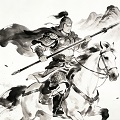
Why Was Yue Fei Wrongfully Executed?
Yue Fei (1103–1142) is one of China’s most admired historical figures because he stayed loyal to his country, showed great skill as a military leader, and always stood by his strong sense of right and wrong.
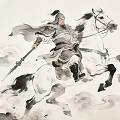
Yue Fei (1103–1142) is one of China’s most admired historical figures because he stayed loyal to his country, showed great skill as a military leader, and always stood by his strong sense of right and wrong. Even though he worked hard to protect the Southern Song Dynasty from attacks by the Jin forces—led by the Jurchens—he was eventually arrested, thrown into jail, and put to death based on false accusations. His killing is widely seen as one of the worst cases of injustice in China’s imperial past.
Historical Background: The Fall of the Northern Song and the Start of the Southern Song
In 1127, the Jurchen army captured Kaifeng, which was the capital of the Northern Song, during an event known as the Jingkang Incident, and they took both Emperor Huizong and his son, Emperor Qinzong, as prisoners, which brought the Northern Song to an end; after that, a surviving prince named Zhao Gou became Emperor Gaozong and moved the government south of the Yangtze River, starting what is now called the Southern Song.
From the very beginning, this new regime faced constant danger from the north, and while some officials wanted to stop fighting and make peace with the Jin, others—including generals like Yue Fei—believed the only right path was to keep fighting until they got their lost land back.
Yue Fei’s Military Success and Why It Made the Court Nervous
Because Yue Fei was smart in battle and led a well-trained and highly respected force known as the “Yue Family Army,” he quickly moved up in rank, and by the early 1140s, he had won many battles and pushed deep into areas controlled by the Jin, coming close to taking back Kaifeng, the old Song capital.
His famous words—“Restore my rivers and mountains!”—gave hope to both soldiers and common people, but his rising fame and refusal to accept peace made the emperor and his advisors uneasy since they were trying to avoid more war.
What worried them even more was that Yue Fei openly showed support for the captured former emperors, because if those emperors ever returned, it could weaken Emperor Gaozong’s claim to the throne, meaning that Yue Fei’s loyalty to the idea of the dynasty actually ended up threatening the ruler who was in power at the time.
The Peace Group and What Qin Hui Did
Qin Hui, who was the top official pushing for peace with the Jin, had once been held captive by the Jurchens before returning to the Southern Song, and he argued that continuing the war would only drain the country’s strength and lead to more losses, so he saw himself as someone making practical choices for stability instead of chasing glory.
To Qin Hui, Yue Fei wasn’t just someone with different opinions—he was also a rival who had the emperor’s ear, so with Emperor Gaozong’s silent agreement, Qin Hui started working to get rid of him, and in 1141, Yue Fei was suddenly stripped of his command using weak reasons and soon after locked up on completely invented charges of betrayal and not following orders.
False Charges and How He Was Killed
Even though there was no real evidence against him, Yue Fei was kept in prison and tortured, and according to old records, when he was asked to admit guilt, he only wrote, “Heaven alone knows,” to show he had done nothing wrong.
On January 27, 1142, at the age of 38, he was secretly executed—most likely strangled—while still in his cell, and his death cleared the way for the Treaty of Shaoxing later that same year, which gave up all claims to northern China and accepted a lower status under the Jin.
Although this deal helped Emperor Gaozong stay in control for the time being, many people then—and ever since—have seen it as a shameful surrender.
Later Recognition and Why He Is Still Remembered
Many years after he died, Yue Fei’s name was finally cleared when Emperor Xiaozong officially declared him innocent in 1162 and restored his honors, and over time, he became a powerful symbol of honesty, bravery, and love for one’s country.
Nowadays, people across China still honor him, especially at the Yue Fei Temple in Hangzhou, where statues of Qin Hui and his wife are shown kneeling forever in front of Yue Fei’s tomb—a clear message that they are blamed for his unfair death and that the public has never forgotten what happened.
Conclusion
Yue Fei was not killed because he broke any laws or betrayed his country; he was killed because he was too honest, too good at his job, and too hard for the leaders to manage. His strong beliefs and battlefield wins made him a problem for those who preferred safety over honor, and by removing him, the Southern Song court traded long-term respect for short-term peace—a choice that history has judged harshly ever since.